Emotional Intelligence: Why It Matters More Than You Think
Being intelligent can help you solve problems. But understanding emotions can help you navigate life.
We often associate success with intelligence, education, talent and technical ability. Yet we have all met highly intelligent people who struggle with relationships, stress, criticism, conflict or their own emotions.
At the same time, some people seem able to remain calm under pressure, understand others, communicate effectively and recover from setbacks.
One important difference can be emotional intelligence.
What Is Emotional Intelligence?
Emotional intelligence is your ability to recognise, understand and manage your own emotions while also recognising and responding appropriately to the emotions of others.
It doesn't mean suppressing your feelings or remaining positive all the time.
It means developing a healthier relationship with your emotions.
Instead of simply asking:
“What am I feeling?”
you begin asking:
“Why am I feeling this way, and how do I want to respond?”
That distinction can change the way we handle many everyday situations.
The Five Building Blocks
1. Self-Awareness
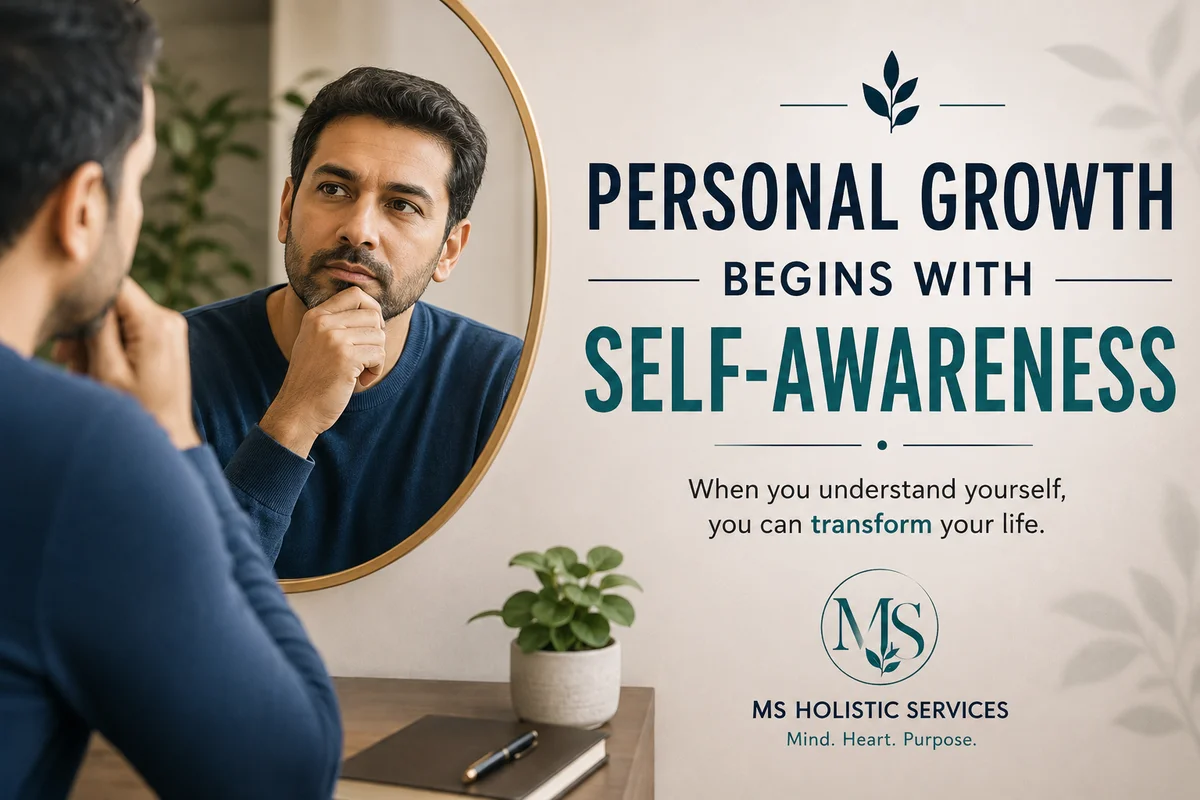
This is where emotional intelligence begins.
Can you recognise when you're becoming angry, anxious, defensive, discouraged or overwhelmed?
The earlier you recognise an emotion, the greater your opportunity to choose how you respond.
2. Emotional Regulation
We cannot always control what happens around us, but we can learn to manage our response.
Emotional regulation might mean pausing before replying to an upsetting message, calming yourself during an argument or giving yourself time to think before making an important decision.
Feeling an emotion and acting on an emotion are not the same thing.
3. Motivation
Emotionally intelligent people can learn to work through frustration, disappointment and temporary setbacks without allowing every difficult feeling to determine their direction.
Motivation isn't about feeling inspired every day.
Sometimes it means continuing even when enthusiasm has disappeared.
4. Empathy
Empathy is the ability to consider what another person may be experiencing.
You don't have to agree with someone to understand their perspective.
That ability can improve relationships, leadership, parenting, teamwork and communication.
5. Relationship Skills
How do you communicate when you disagree?
How do you receive criticism?
Can you establish boundaries without unnecessary hostility?
Can you apologise when you're wrong?
Can you listen without immediately preparing your response?
These everyday behaviours are where emotional intelligence becomes visible.
A Simple Everyday Example
Imagine someone sends you a message that you consider disrespectful.
Your first impulse might be to respond immediately with an equally angry message.
Emotional intelligence creates a small space between the emotion and the response.
You notice:
I'm angry.
Then:
Why has this affected me so strongly?
And finally:
What response will actually help this situation?
You may still decide that the person's behaviour needs to be addressed.
But now you're responding intentionally rather than reacting automatically.
That is growth.
Emotional Intelligence Can Be Developed
One of the encouraging things about emotional intelligence is that it isn't simply something you either possess or don't possess.
You can practise becoming more aware of your emotions.
You can learn your triggers.
You can improve the way you listen.
You can practise pausing before reacting.
You can become more aware of how your words affect others.
And you can reflect on situations that didn't go well and ask:
“What could I do differently next time?”
Small changes repeated consistently can gradually become new patterns.
Try This Today
The next time you experience a strong emotion, don't immediately judge it or act upon it.
Pause and ask yourself:
What am I feeling?
What triggered this feeling?
What am I telling myself about the situation?
What response would be most helpful right now?
Even a few seconds of conscious reflection can begin changing an automatic reaction into an intentional response.
Intelligence Helps You Think. Emotional Intelligence Helps You Navigate.
Personal growth isn't only about acquiring more knowledge.
It's also about learning to understand yourself, manage your inner world and interact more effectively with the people around you.
And that is why developing emotional intelligence can influence far more than your mood.
It can influence your relationships, confidence, communication, decisions, resilience and ultimately the direction of your life.
Understand the emotion. Pause before the reaction. Choose the response.
Ready to Understand Yourself Better?
Continue your personal-growth journey with the FREE Personality Growth Transformation Guide from MS Holistic Services.
Explore practical steps toward greater self-awareness, emotional intelligence, confidence and purposeful personal growth.
🎁 Get Your FREE Guide
Counselor • Author • Educator
MS Holistic Services